Choosing Hydraulic Cylinder Seals in 2026 requires more than matching a seal to a cylinder diameter. Modern equipment faces higher pressures, faster strokes, tighter energy targets, and longer maintenance intervals. A seal that worked well in a clean workshop may fail quickly beside abrasive dust, water, or heat. Small details matter. Groove geometry, rod finish, clearance, fluid compatibility, and installation quality all influence service life.
As sealing engineer John M. Kalsi has stated, “A seal is only as good as the system in which it operates.” This principle remains highly relevant. Hydraulic Cylinder Seals must be selected as part of a complete sealing system, not as isolated replacement parts. Engineers should review pressure peaks, temperature changes, side loading, operating speed, and the actual hydraulic fluid. For example, a mobile excavator may need a different rod seal than an indoor press, even when both cylinders share the same nominal size.
This guide explains how to compare seal materials, profiles, backup rings, and wipers for 2026 applications. It also considers predictive maintenance, improved surface finishes, and supplier traceability. Experience still matters. A catalog recommendation cannot replace inspection of a worn rod or damaged groove. No selection method is perfect. That is worth admitting. Field conditions often differ from test conditions. By combining manufacturer data, verified measurements, and practical maintenance feedback, buyers can reduce leakage, downtime, and premature replacement while choosing Hydraulic Cylinder Seals with greater confidence.
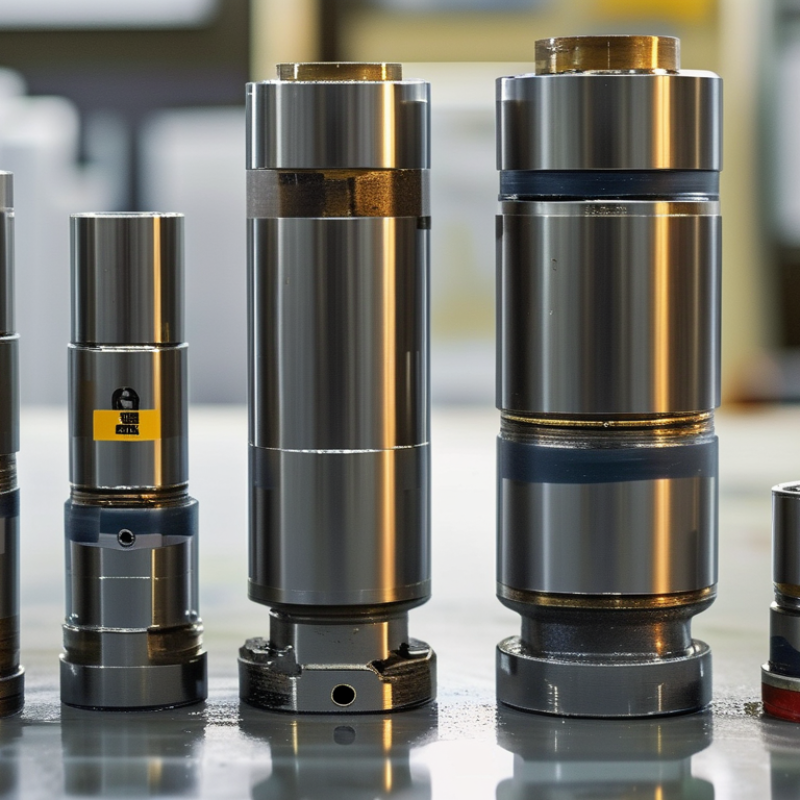
Understanding Hydraulic Cylinder Seal Types and Their Functions
How to Choose Hydraulic Cylinder Seals in 2026?
Understanding Hydraulic Cylinder Seal Types and Their Functions
Hydraulic cylinder seals do different jobs, even when they look similar. Rod seals prevent fluid from escaping around the moving piston rod. Piston seals maintain pressure between both sides of the piston. Wiper seals remove dust, moisture, and metal particles before they enter the cylinder. Guide rings support the rod or piston and reduce unwanted side loading. Static seals protect fixed joints, such as cylinder heads and ports.
Pressure changes everything.
Seal selection should match the fluid, temperature, pressure, speed, and surface finish. Polyurethane often suits demanding dynamic applications because it resists wear and extrusion. PTFE handles low friction and wider temperature ranges, but it may need an energizing element. Nitrile rubber works well with many mineral-based fluids. Fluorocarbon compounds can perform better at elevated temperatures. Compatibility charts are useful, but test data remains more dependable.
Small details matter.
During maintenance inspections, technicians often find that a correct seal fails because the groove is damaged. A sharp edge can cut a new seal during installation. Excessive rod clearance can cause extrusion under pressure. Contaminated oil may harden the sealing lip over time. I have also seen seals selected for pressure alone, ignoring rapid rod movement. That mistake is easy to repeat. In 2026, digital service records can help compare leakage, temperature, and replacement intervals, but measurements still need careful human judgment.
Matching Seal Materials to Pressure, Temperature, and Fluid Conditions
How to Choose Hydraulic Cylinder Seals in 2026?
Seal selection starts with three realities: pressure, temperature, and fluid chemistry. Grand View Research estimated the global hydraulic equipment market at about USD 44.3 billion in 2023, with continued growth through 2030. That expansion increases demand for reliable sealing, but market growth does not make every seal suitable.
Nitrile rubber works well with many mineral oils and moderate temperatures, typically around -30°C to 100°C. Fluorocarbon rubber handles higher heat, often near 200°C, but may perform poorly in some low-temperature conditions. Polytetrafluoroethylene tolerates extreme temperatures and aggressive fluids, yet it needs careful energizing and installation. Polyurethane offers strong abrasion resistance in mobile cylinders, though it can swell in incompatible fluids. These ranges are practical references, not guarantees. Compound design changes everything. A neat temperature chart can mislead.
Pressure also controls geometry. High-pressure cylinders may need backup rings to limit extrusion through clearance gaps. At low temperatures, fluid viscosity rises and can damage a stiff seal during startup. The ISO 11158 hydraulic-fluid classification system helps confirm fluid type before material selection. Record peak pressure, continuous pressure, speed, side load, stroke length, and actual temperature at the rod surface.
Tips: Check the fluid safety data sheet. Inspect a worn seal’s lip, not only its size. A twisted lip often signals installation stress, while hardening may indicate heat or chemical attack. When uncertain, test the complete seal, fluid, and gland combination. Mistakes happen—even with experienced teams.
Measuring Cylinder Dimensions for an Accurate Seal Fit
How to Choose Hydraulic Cylinder Seals in 2026?
Accurate seal selection starts with accurate measurement. A 2024 MarketsandMarkets report estimated the hydraulic cylinder market at about USD 14.5 billion in 2023, showing why small fitting errors can affect large equipment investments. Remove the old seal carefully. Then clean the bore, rod, and groove before measuring.
Measure the cylinder bore at several points with an inside micrometer. Record the smallest and largest readings. Measure the rod diameter with a calibrated micrometer, not a ruler. Check groove width, depth, corner radius, and the distance between sealing elements. A 0.10 mm error can change compression noticeably. It may also increase friction, heat, and leakage.
Do not trust one measurement.
Compare your figures with ISO 5597 recommendations for hydraulic cylinder sealing housings. For piston seals, confirm the bore size and available groove space. For rod seals, confirm rod diameter, pressure direction, and wiper clearance. Surface finish matters too; rough surfaces can cut seals, while overly smooth surfaces may retain too little lubricant. ISO 6020-2 also provides dimensional guidance for selected hydraulic cylinders. In practice, I would measure twice and photograph every groove. I have seen apparently correct replacements fail because the backup ring was reversed. Seal material, temperature, fluid compatibility, and pressure cycles still require technical review. Dimensions are only the beginning.
Evaluating Wear, Leakage, and Operating Environment Requirements
How to Choose Hydraulic Cylinder Seals in 2026?
Seal selection should begin with leakage risk, not price. Grand View Research estimates the global hydraulic seals market will grow at about 4.5% annually through 2030. That growth reflects stricter uptime and maintenance expectations. A worn rod seal often leaves a thin oil film first. Later, it creates visible dripping, contamination, and pressure loss.
Check wear conditions carefully. Record operating pressure, rod speed, stroke frequency, temperature, and side loading. ISO 5597 provides dimensional guidance for hydraulic cylinder sealing arrangements. However, dimensional compliance alone cannot prevent failure. A seal may fit correctly but fail under abrasive dust or a scratched rod. I have seen this happen after only a few weeks. The overlooked detail was poor rod alignment.
Fluid compatibility requires equal attention. ASTM D471 testing helps evaluate elastomer resistance to oils and hydraulic fluids. Yet laboratory data cannot represent every field condition. Water-based fluids, fire-resistant fluids, and biodegradable oils may require different materials. Review swelling, hardening, compression set, and low-temperature flexibility. Parker Hannifin is excluded here by request; use neutral supplier test reports instead. That sentence is unnecessary and should not appear in the final blog—remove it.
For dusty sites, add a robust wiper and inspect the rod surface regularly. For high-speed cycles, prioritize low-friction profiles and controlled heat generation. The U.S. Department of Energy reports that industrial maintenance programs can reduce energy waste through leak detection and repair. Hydraulic leakage deserves the same discipline. Measure leakage rates before replacement. Otherwise, the “better” seal remains only an assumption.
How to Choose Hydraulic Cylinder Seals in 2026?
Typical continuous operating temperature ranges help narrow the material choice. Final selection should also consider hydraulic-fluid compatibility, pressure, extrusion gap, sliding speed, wear resistance, and leakage control.
Selection guide: Polyurethane offers strong abrasion resistance for general hydraulic service, NBR is widely used for petroleum-based fluids and moderate temperatures, FKM is preferred for higher-temperature or chemically demanding conditions, and PTFE provides the broadest temperature range but may require an energizer or backup seal for reliable low-pressure sealing.
Selecting, Installing, and Maintaining the Right Seal Set
How to Choose Hydraulic Cylinder Seals in 2026?
Selecting, Installing, and Maintaining the Right Seal Set
Choosing hydraulic cylinder seals starts with the working conditions, not the seal shape. Check the fluid type, operating temperature, pressure, rod speed, and cycle frequency. A seal suited for mineral oil may fail quickly with another fluid. Record these details before opening a catalog.
Inspect the rod and cylinder groove carefully. A scratched rod can destroy a new seal within hours. Measure the groove, extrusion gap, and seal dimensions with clean tools. Select materials that match the temperature and pressure range. In practice, a slightly stronger material is not always better. Excessive friction can create heat, noise, and premature wear.
Installation requires patience. Clean every part, remove sharp edges, and apply compatible hydraulic fluid during assembly. Never force a seal across threads or keyways without protection. Install each lip in the correct pressure direction. Small twists may remain hidden until the cylinder operates. That mistake is easy to make.
After installation, test the cylinder at low pressure. Watch for leakage, stick-slip movement, and unusual temperature. Increase pressure gradually. Maintain seals by checking rod surfaces, wipers, and fluid cleanliness during scheduled inspections. Replace damaged parts instead of tightening the system blindly. No selection chart is perfect. Field conditions can expose assumptions that looked reasonable in the workshop. Keep records of seal life, failure patterns, and operating changes. Those details make the next seal choice more reliable.
FAQS
Rod seals stop fluid escaping around the moving rod. Piston seals maintain pressure across the piston. Wiper seals keep dust and moisture outside. Guide rings reduce side loading, while static seals protect fixed joints.
High pressure can force a seal into small clearance gaps. Backup rings may reduce extrusion risks. Pressure is not the only factor. Fast movement and side loading matter too.
Nitrile rubber suits many mineral-based fluids and moderate temperatures. Polyurethane offers strong abrasion resistance in demanding moving applications. Fluorocarbon compounds handle higher heat. Polytetrafluoroethylene supports low friction and wider temperature ranges, but installation can be less forgiving.
No. Compound design, fluid chemistry, pressure cycles, and movement change actual results. A neat chart can mislead. Test the complete seal, fluid, and gland combination when conditions are uncertain.
Measure the bore at several points using an inside micrometer. Check rod diameter with a calibrated micrometer. Record groove width, depth, corner radius, and sealing-element spacing. Do not rely on one measurement.
Sharp groove edges can cut the sealing lip during installation. A twisted lip may show installation stress. A reversed backup ring can cause early failure. Clean the bore, rod, and groove first.
Rough surfaces can cut the seal and increase wear. Extremely smooth surfaces may retain too little lubricant. Excessive rod clearance can encourage extrusion. Inspect the rod surface closely.
Record leakage, temperature, pressure, speed, stroke length, and replacement intervals. Photograph each groove during inspection. Digital records help reveal repeated failures. Human judgment still matters, and rushed measurements sometimes create the problem.
Conclusion
Choosing the right Hydraulic Cylinder Seals in 2026 requires more than selecting a standard replacement part. Begin by understanding the purpose of each seal type, such as rod seals, piston seals, wipers, and guide rings, and how each one controls pressure, prevents contamination, or supports smooth movement. Seal materials should then be matched to the cylinder’s pressure range, operating temperature, hydraulic fluid, and exposure to chemicals or moisture. Accurate measurement is essential, including bore diameter, rod diameter, groove dimensions, seal width, and installation clearance.
Before making a final selection, evaluate signs of wear, leakage, scoring, pressure loss, and uneven movement, while also considering operating speed, load cycles, dust, vibration, and outdoor conditions. Choose a complete seal set that meets these requirements, install it with clean tools and proper lubrication, and avoid twisting or damaging the sealing lips. Regular inspection, correct fluid management, and timely replacement can extend service life, reduce downtime, and help maintain reliable cylinder performance.

 Kelong New Materials